
Behavioral Biometrics: How Typing, Swipes and Movement Prove Who You Are
Behavioral biometrics recognize you by how you act, not by what your body looks like. The rhythm of your typing, the way you swipe and even the angle you hold your phone all form a pattern. Banks now use that pattern quietly in the background to spot fraud.
What is behavioral biometrics?
Behavioral biometrics measure patterns in how a person behaves, such as typing speed, mouse movement, touchscreen pressure or walking style. Unlike a fingerprint, these traits are learned habits, but they are consistent enough to tell people apart.
How does behavioral authentication work?
Software watches signals from your keyboard, screen and phone sensors while you use an app. It builds a profile of your usual behavior and scores each session against it. A big mismatch can trigger an extra check.
Why do behavioral biometrics matter?
They work continuously and invisibly, so they can catch a problem after you log in. That makes them a strong tool against account takeover, bots and scams where a victim is coached by a criminal.
Behavioral vs Physical Biometrics
Physical biometrics read a part of your body: a fingerprint, a face, an iris. They answer one question at one moment. Behavioral biometrics read actions over time, which lets them keep checking for as long as a session lasts.
| Area | Physical biometrics | Behavioral biometrics |
|---|---|---|
| Examples | Fingerprint, face, iris, palm vein | Typing rhythm, swipes, mouse use, gait, phone angle |
| When it checks | At login or payment | Throughout the session |
| What you do | Present a finger or face | Nothing, it runs in the background |
| Accuracy alone | High for a single check | Lower alone, strong as a risk signal |
| Main use | Unlocking and proving identity | Fraud detection and continuous checks |
The two are often combined. A bank may use your face to log in, then behavioral signals to make sure the same person is still in control.
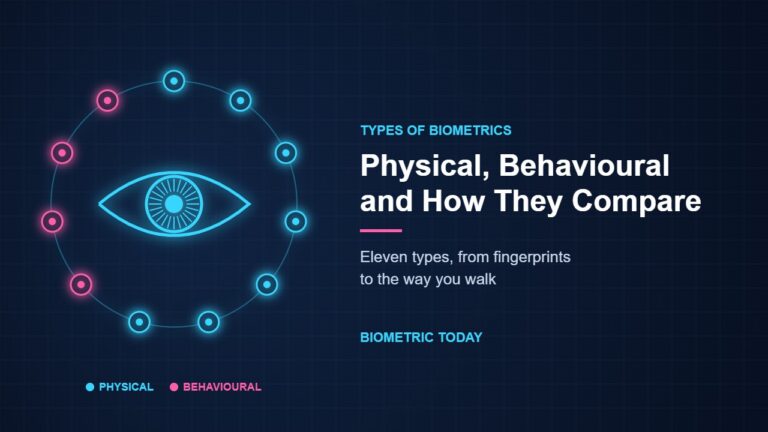
Read the full guide
Types of Biometrics: Physical, Behavioural and How They Compare
Every physical and behavioral method, and how they compare.
How Behavioral Biometrics Authentication Works
The signals are small. How long you hold each key, the gap between keys, the pressure and size of your touch, the curve of your mouse path. Each one says little, but together they form a profile that is hard for someone else to copy.
Regulators have accepted the idea. Under the EU’s payment rules, a bank must check two of three things: something you know, have or are. The European Banking Authority confirmed that behavioral traits such as keystroke dynamics can count as “something you are.”
Behavioral Fraud Detection: Where It Is Used
- Account takeover. A criminal with your password still types and swipes differently from you.
- Bots. Automated scripts move with a precision no human hand has.
- Scams in progress. A victim being coached on the phone often hesitates, switches apps or types unusually slowly, and those signs can flag behavioral biometric online fraud before money leaves.
- Mule accounts. Accounts opened to move stolen money tend to show tell-tale usage patterns.
- Shared logins. Workplaces use it to spot when one account is used by several people.
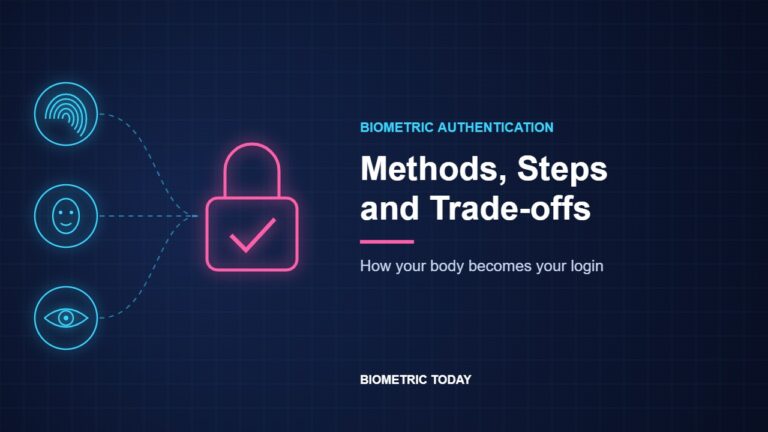
Read the full guide
Biometric Authentication Explained: Methods, Steps and Trade-offs
Where behavioral checks fit alongside fingerprints, faces and passkeys.
Cognitive Biometrics: The Research Edge
Some researchers use the term cognitive biometrics for signals tied to how you think and react, such as eye-movement patterns or brain-wave readings. These are mostly lab projects today, not tools in your bank app.
They raise an obvious question. A system that reads your reactions could, in theory, reveal stress or fatigue. That is a step beyond confirming who you are.
The Privacy Question
Behavioral monitoring is invisible by design, which is both its strength and its risk. Many users never learn it is running. Even the EBA’s own Q&A records concerns that capturing these traits could lead to profiling that conflicts with data protection law.
The usual safeguards are clear notice, data kept to the minimum needed, and scores used for security only, never for marketing or credit decisions.
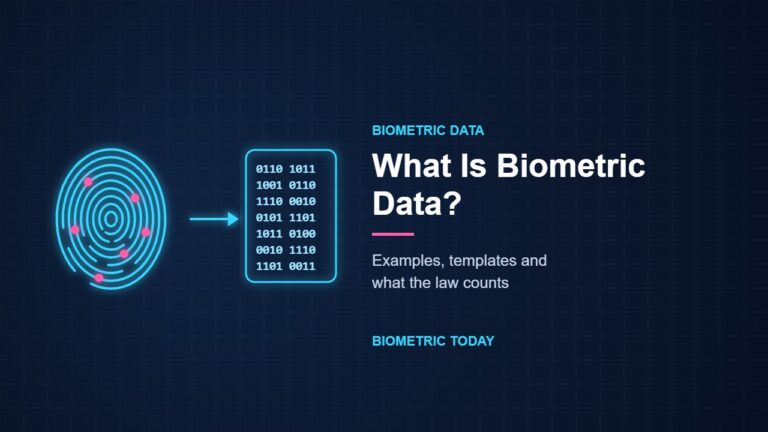
Read the full guide
What Is Biometric Data? Examples, Templates and What the Law Counts
What counts as biometric data and the rules that protect it.
Choosing behavioral biometrics solutions?
Ask what signals are collected, whether raw keystrokes are stored, how the vendor handles consent and how often the model wrongly flags real customers. Our comparison of fraud and behavioral biometrics tools is on the way.
Questions Still Open
Should apps have to tell you when they are analyzing how you type? Can behavioral scores be kept out of decisions about credit or insurance? And what happens to people whose behavior changes, through age, injury or disability?
Explore behavioral biometrics
FAQ
What are examples of behavioral biometrics?
Keystroke dynamics (typing rhythm), mouse movement, touchscreen swipes and pressure, how you hold your phone, gait (how you walk) and signature dynamics.
Is behavioral biometrics more secure than a password?
It is hard to steal because it is not a secret you type. It is less exact than a fingerprint for a single check, so it works best as an extra layer that runs alongside other methods.
Can behavioral biometrics stop scams?
They can flag sessions that look coached or rushed, which gives the bank a chance to pause a payment. They cannot stop every scam, especially when the victim is genuinely making the payment.
Does behavioral biometrics record what I type?
Good systems measure timing and movement, not the content of your typing. Ask the provider, because practices vary.
Latest behavioral biometrics news
New articles on this topic are on the way.
Behavioral biometrics guides and explainers
New articles on this topic are on the way.
Related topics
References
- European Banking Authority, Single Rulebook Q&A 2020_5620: behavioural biometrics as inherence
- European Banking Authority, Single Rulebook Q&A 2020_5353: requirements for inherence
